

Hair & scalp
PRP Therapy
Platelet-rich plasma from your own blood, injected into the scalp to support thinning hair.
- Sessions
- Usually 3–4, a month apart
- Session time
- About 60 minutes
- Downtime
- Mild scalp tenderness for a day

About the treatment
What is PRP Therapy?
A small blood sample is spun to concentrate platelets, which carry growth factors. The plasma is then injected into thinning areas of the scalp.
PRP works best for early hair thinning, as part of a plan that also treats the underlying cause.
It can be given as injections or with dermapen microneedling, and some plans use exosomes, a newer growth-factor option, instead.
Part of our Hair & Scalp Care service.
Benefits
- Uses your own blood
- Supports thicker-looking hair
- Reduces shedding for many people
- Can also be used for skin rejuvenation
How it works
- 1Blood drawn
- 2Spun to separate the plasma
- 3Scalp numbed
- 4Plasma injected into thinning areas
Is it right for you?
Good for
- Male or female pattern thinning
- Increased shedding
- A widening parting
Tell your doctor if you have
- Blood or platelet disorders
- Blood-thinning medicines
- Scalp infection
Your dermatologist confirms suitability at your consultation.
FAQ
PRP Therapy: your questions
When will I see results?
Shedding often slows first; visible density changes take 3–6 months.
Is PRP enough on its own?
Usually not. It works best with medical treatment and correcting any deficiencies.
Often recommended for
Related
You might also consider

GFC Hair Therapy
A refined form of PRP that concentrates growth factors from your blood for hair thinning.
View treatment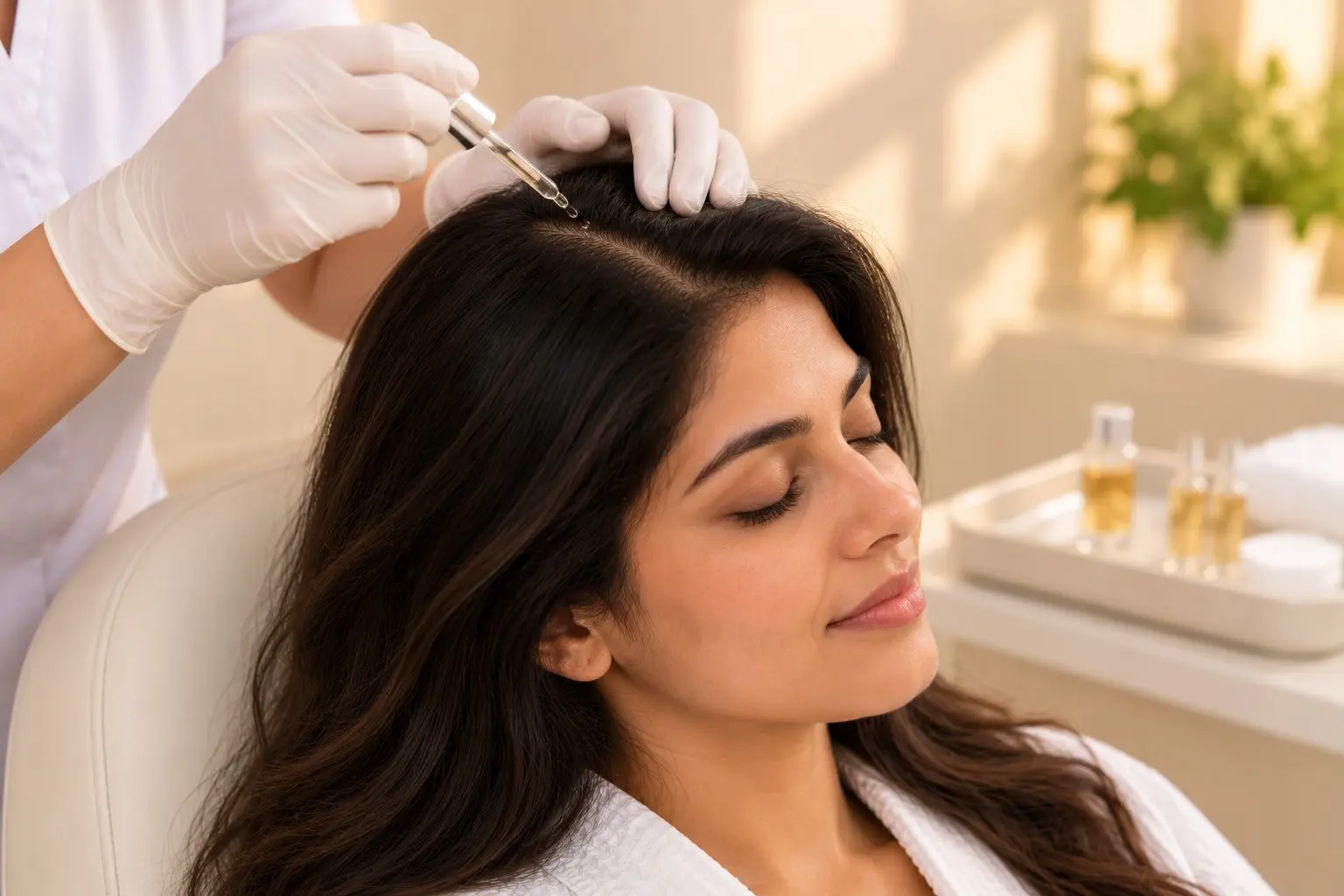
Mesotherapy
Micro-injections of vitamins, peptides and nourishing actives into the scalp or skin.
View treatment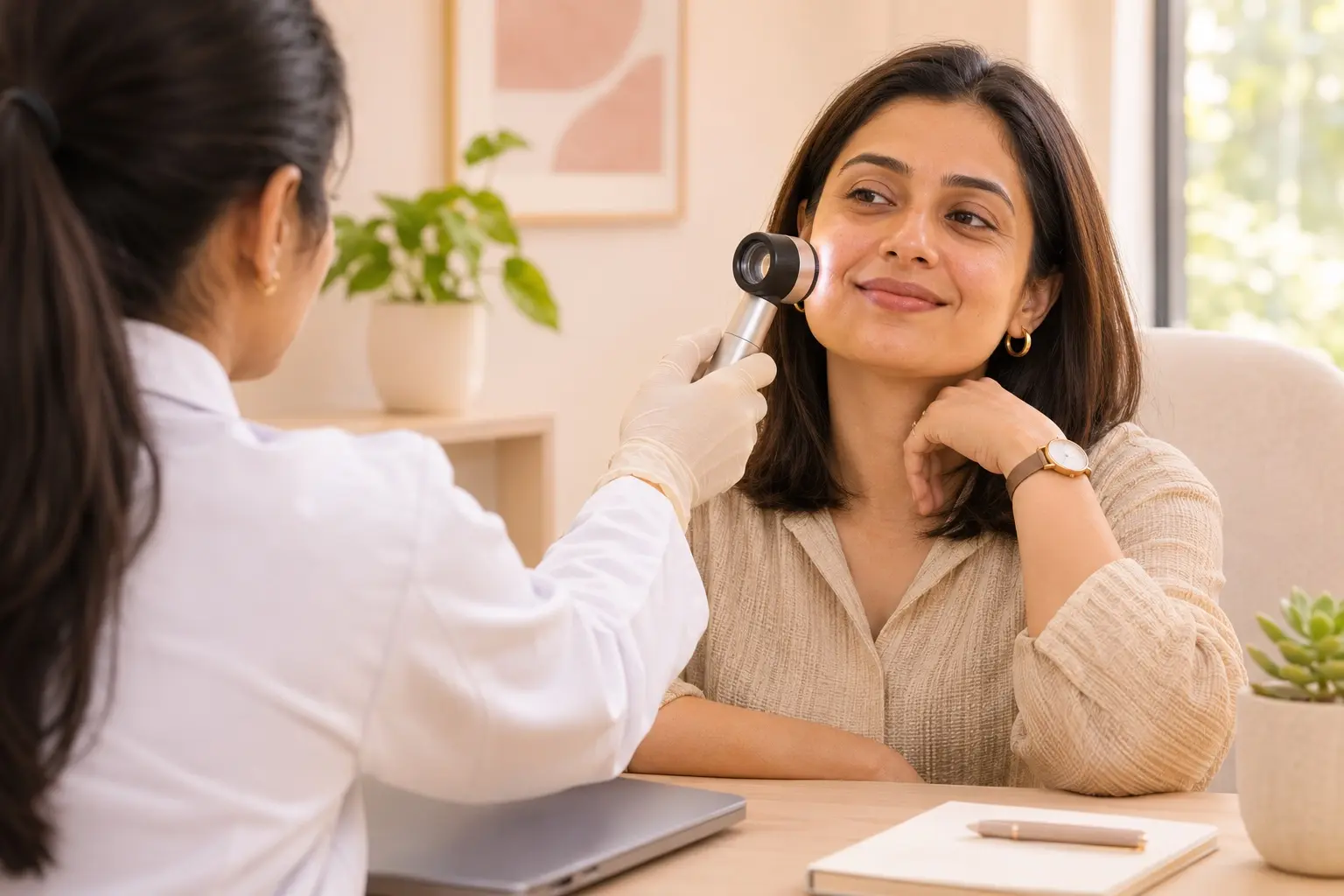
Dermatologist Consultation
An unhurried consultation with an MD dermatologist, including a digital skin analysis report and a personalised treatment plan.
View treatment


Results vary from person to person. Suitability, number of sessions and fees are confirmed after a consultation.
Book PRP Therapy
Every treatment starts with a dermatologist's assessment of your skin.