

Injectables & thread lift
Skin Boosters
Micro-injections of hydrating and collagen-supporting ingredients for dewy, firmer, healthier-looking skin.
- Sessions
- Usually 3, a month apart
- Session time
- 30–45 minutes
- Downtime
- Small bumps for 1–2 days

About the treatment
What is Skin Boosters?
Skin boosters place tiny amounts of lightweight hyaluronic acid, sometimes with amino acids or growth factors, just under the skin's surface.
Rather than adding volume, they improve hydration, elasticity and fine texture, for the 'glass skin' look that lasts beyond a facial.
Options include hyaluronic acid boosters such as Profhilo, PDRN (polynucleotide) boosters, and face rejuvenation with PRP, GFC or exosomes. Gentler versions treat the under-eyes, and Profhilo can also be used on the neck and hands.
Part of our Longevity & Skin Health service.
Benefits
- Deep, lasting hydration
- Finer texture and smaller-looking pores
- Firmer, more elastic skin
- Natural glow
How it works
- 1Skin assessment
- 2Numbing cream
- 3Micro-injections across the area
- 4Calming care
Is it right for you?
Good for
- Dehydrated or dull skin
- Fine lines and crepey texture
- Tired, hollow-looking under-eyes
- Neck and hands
Tell your doctor if you have
- Pregnancy or breastfeeding
- Active skin infection
Your dermatologist confirms suitability at your consultation.
FAQ
Skin Boosters: your questions
How is this different from fillers?
Boosters spread thinly to hydrate and refine skin; fillers add shape and volume.
How long do results last?
Usually around six months, with maintenance sessions after the first course.
Which booster is right for me?
It depends on your skin, the area and your goals. Your dermatologist suggests one at your consultation.
Related
You might also consider
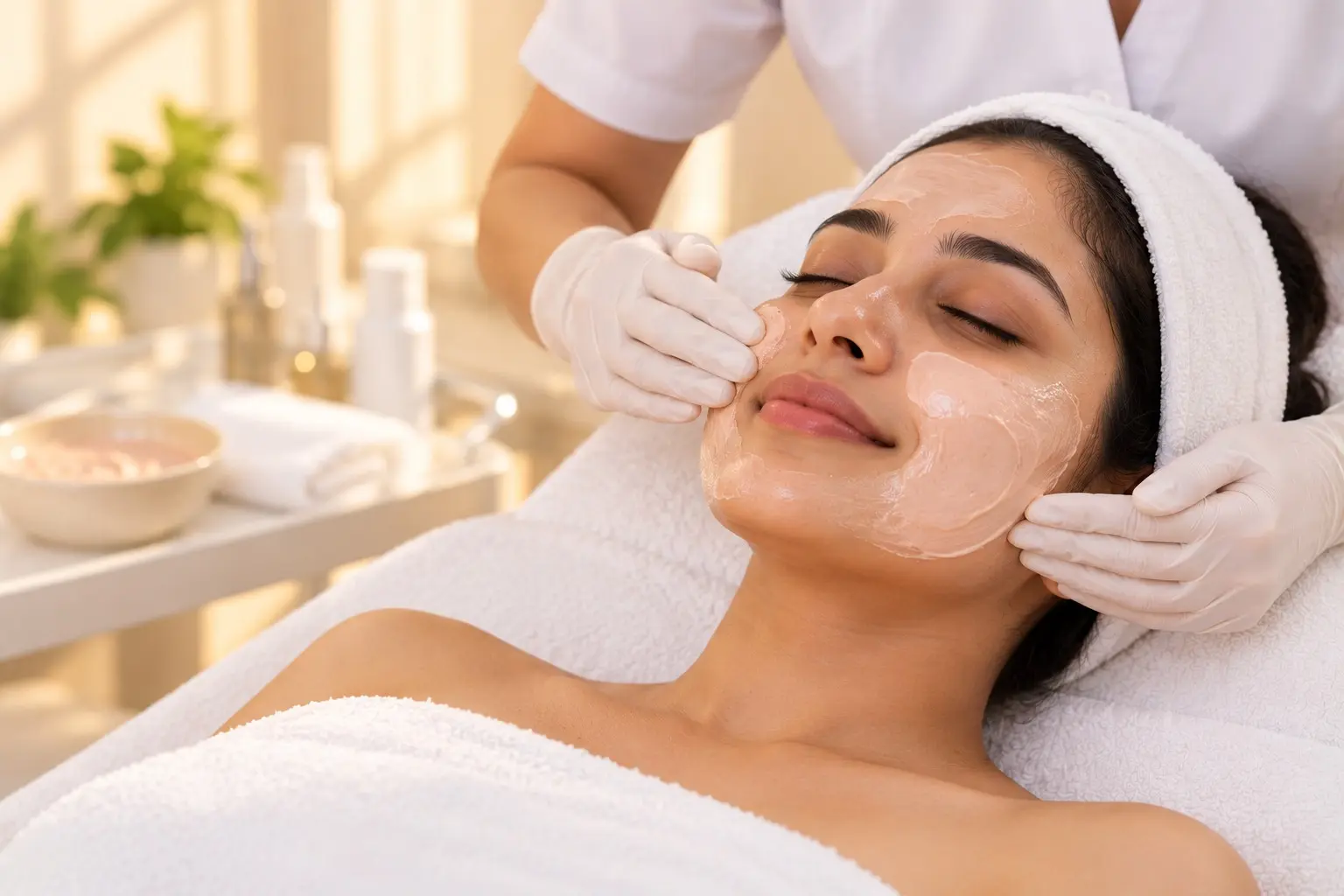
Anti-Ageing Medi-Facial
A premium medical facial with dermatologist-chosen actives that hydrate, firm and brighten tired, ageing skin.
View treatment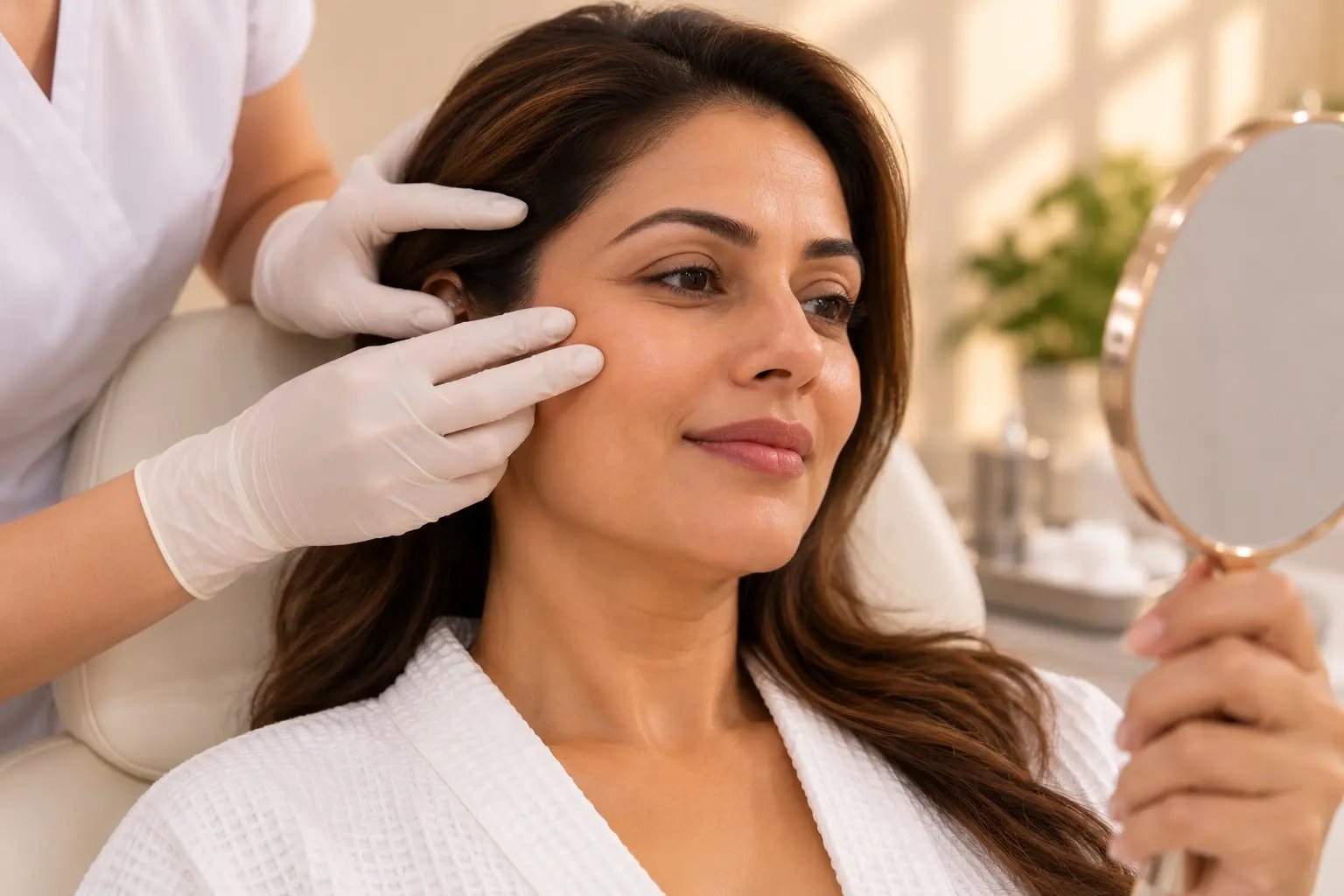
Dermal Fillers
Hyaluronic acid fillers to restore lost volume, support cheeks and soften deep folds, subtly.
View treatment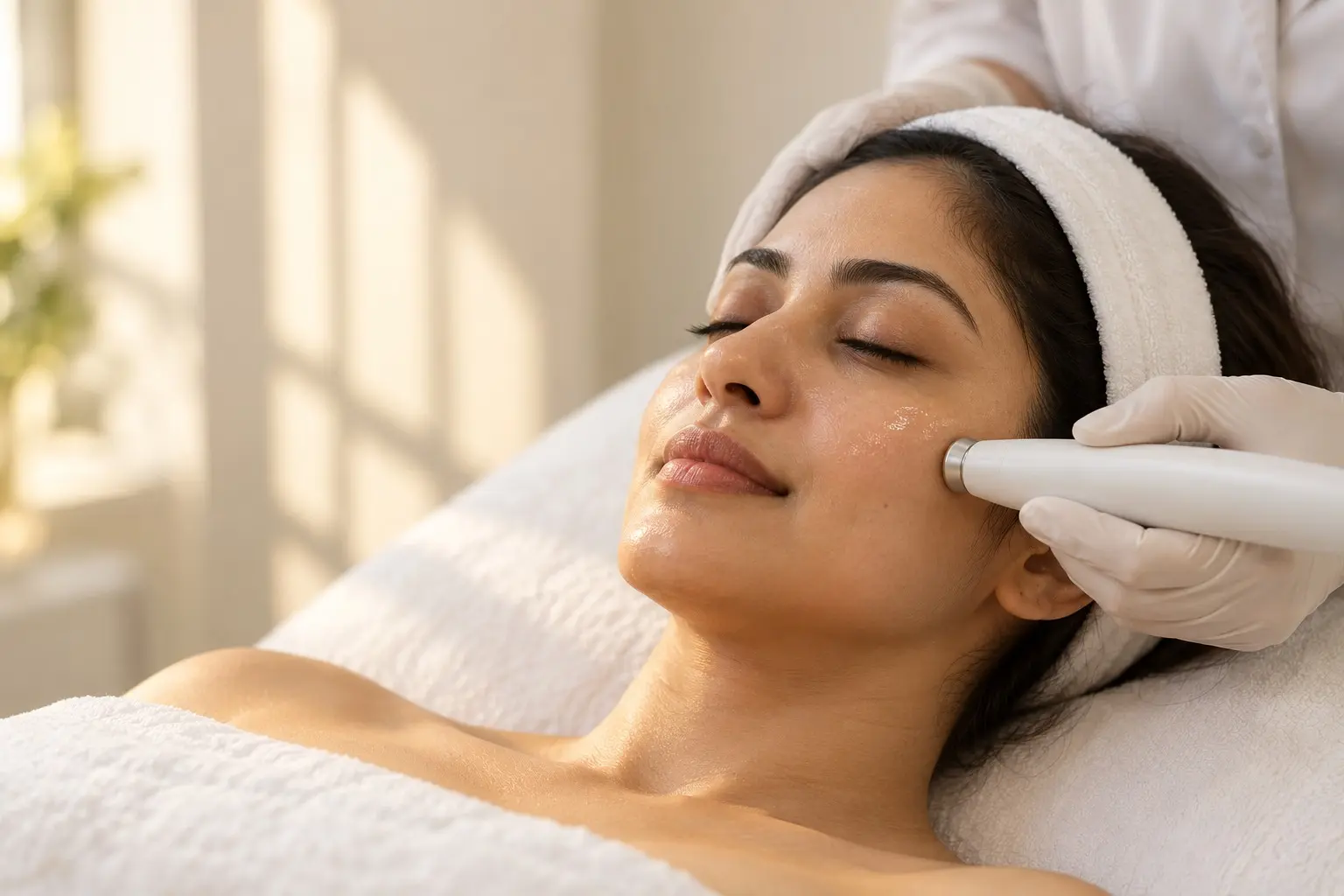
Microneedling & MNRF
Controlled micro-injuries, with or without radiofrequency energy, to trigger collagen for scars, pores and texture.
View treatment


Results vary from person to person. Suitability, number of sessions and fees are confirmed after a consultation.
Book Skin Boosters
Every treatment starts with a dermatologist's assessment of your skin.